
Everyone tells you that you'll worry more once you become a mom.
What they don't tell you is that you might lie awake imagining everything that could go wrong. Or check whether your baby is breathing for the fifth time. Or find yourself Googling something about feeding at 2 a.m., only to end up convinced you've been doing everything wrong.
Some worry during pregnancy and motherhood is expected. There's a lot of uncertainty, responsibility, and change that comes with this stage of life.
But sometimes the worry starts taking up more space than you'd like.
Perinatal anxiety can show up during pregnancy or postpartum as constant worry, intrusive thoughts, excessive checking, difficulty switching off, physical tension, or a persistent feeling that something bad might happen.
And while some anxiety is understandable during this transition, that doesn't mean you have to spend your pregnancy or postpartum experience feeling constantly on edge.
What Is Perinatal Anxiety?
Perinatal anxiety refers to significant anxiety experienced during pregnancy or after having a baby. It can involve persistent worry, racing thoughts, physical tension, difficulty sleeping, excessive checking, or fears about your baby's health and safety.
While postpartum anxiety gets more attention, anxiety doesn't always begin after your baby arrives. It can start during pregnancy, develop after birth, or intensify anxiety that was already there.
You might find yourself worrying about miscarriage, your baby's development, upcoming medical appointments, birth, or whether you're going to be a good mom.
Perinatal anxiety isn't one specific diagnosis, and it doesn't look the same for everyone. It can include different anxiety-related conditions, such as generalized anxiety, panic disorder, or perinatal OCD.
What Does Perinatal Anxiety Actually Feel Like?
Sometimes anxiety is obvious. Your heart races, your chest feels tight, or you feel panicked.
But sometimes it looks like being incredibly prepared. Researching everything, anticipating problems, making lists, checking and rechecking, or constantly looking for reassurance.
From the outside, you might look like you have everything under control. Inside, it can feel like you can never quite let your guard down.
Your Brain Is Constantly Looking for What Could Go Wrong
What if something happens to the baby?
What if she's not eating enough?
What if I'm missing something important?
What if I made the wrong decision?
The specific worry might change, but the feeling underneath is often the same: I need to make sure everything is okay.
And because pregnancy and parenting come with so much uncertainty, there's almost always something new to worry about.
You Can't Switch Off, Even When You Finally Get a Break
Someone else has the baby. You finally have an hour to yourself, and you're exhausted.
But instead of relaxing, you're checking the monitor, thinking about the next feed, mentally running through your to-do list, or feeling guilty for sitting down when there's so much you could be doing.
For women who have experienced high-functioning anxiety before motherhood, staying busy, being prepared, or trying to get everything right may already feel familiar. Motherhood can make those patterns even louder.
When you're responsible for another human being, the pressure to get everything right can feel enormous.
The Intrusive Thoughts No One Warns You About
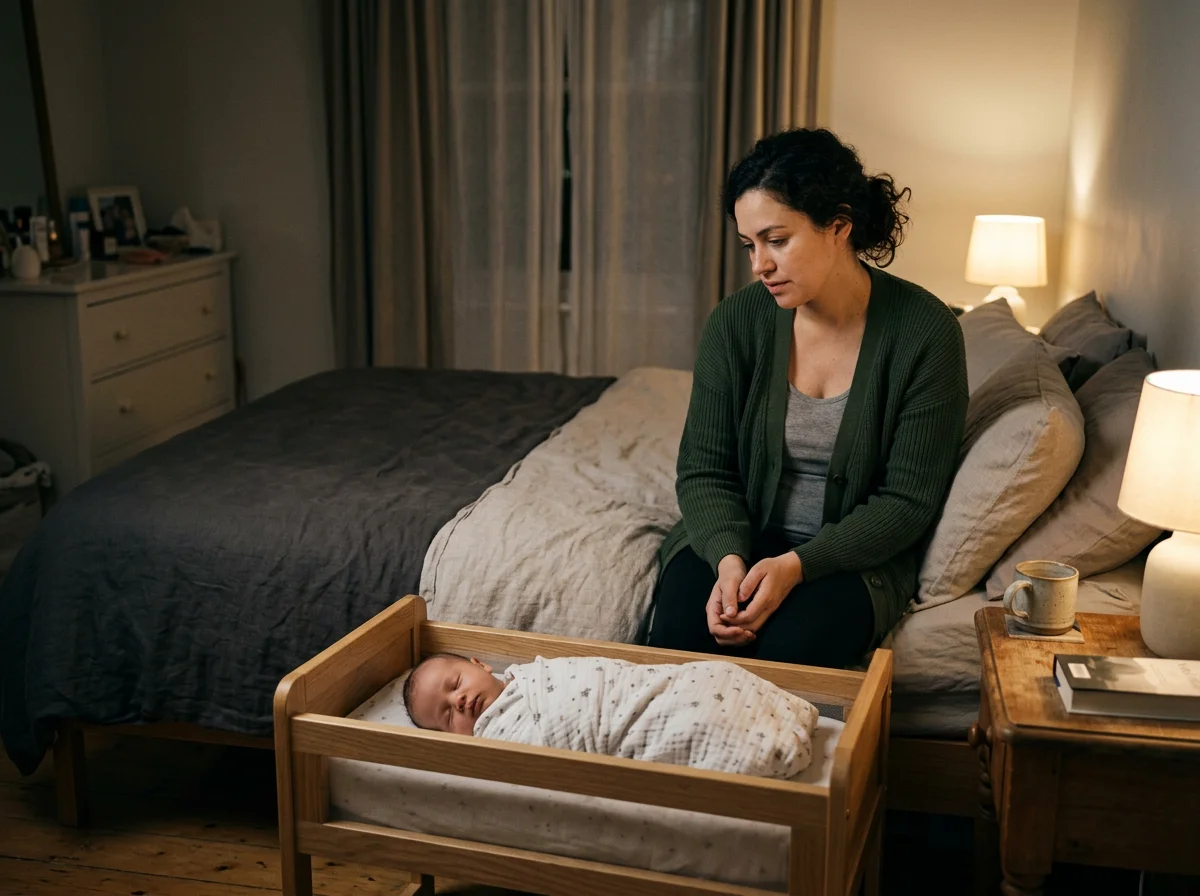
One of the more frightening experiences some new mothers describe is having a disturbing thought or image appear seemingly out of nowhere.
Maybe it's a sudden thought about dropping your baby, an image of something happening while you're driving, or an unexpected what if? about your baby getting hurt.
And almost immediately, you wonder: Why would I think that?
Intrusive thoughts are unwanted thoughts, images, or impulses that can appear suddenly and feel completely inconsistent with what you actually want. Because they often involve the things we care about most, they can feel incredibly upsetting.
Having an Intrusive Thought Doesn't Mean You Want It to Happen
Unwanted intrusive thoughts can occur during pregnancy and postpartum, including with perinatal OCD. These thoughts are often distressing precisely because they go against your values and wishes.
But anxiety can make the thought itself feel significant.
What if thinking it means something?
What if I lose control?
What kind of mother thinks something like that?
Suddenly, you're not just dealing with the thought. You're worrying about what having the thought might mean about you.
This can lead to checking, avoiding certain situations, seeking reassurance, or mentally reviewing the thought over and over. These responses may provide temporary relief, but can also keep the anxiety cycle going.
Having an unwanted intrusive thought is not the same as wanting to act on it. If these thoughts are causing significant distress, support from someone familiar with perinatal mental health and OCD can help.
Intrusive Thoughts and Postpartum Psychosis Are Not the Same Thing
Distressing, unwanted intrusive thoughts are different from symptoms such as hallucinations, delusions, severe confusion, or losing touch with reality.
Postpartum psychosis is rare, but it is a psychiatric emergency requiring immediate medical attention.
If you or someone you know is experiencing these symptoms, or feels at risk of harming themselves or their baby, seek emergency medical care immediately.
When Motherhood Feels Overwhelming, Even Though You Wanted This

There are suddenly so many decisions. Feeding, sleep, development, appointments, childcare, returning to work, and whether you're doing any of it right.
And anxiety loves uncertainty.
One of the hardest parts is that you may have really wanted this. Maybe you spent years imagining motherhood, experienced fertility treatment, or navigated pregnancy loss.
So when motherhood feels hard, you might wonder: I wanted this. Why am I struggling?
But wanting your baby and struggling with motherhood aren't mutually exclusive.
Becoming a mother can also change your relationship with your body, work, independence, relationships, and sense of identity. You might love your baby deeply while missing parts of your life before they arrived.
There can be grief inside wanted change.
And you can be grateful for motherhood while still finding it incredibly overwhelming.
Perfectionism, Guilt, and the Pressure to Be a Good Mom
Motherhood creates approximately one million opportunities to wonder whether you're doing something wrong.
Am I doing enough?
Should I be enjoying this more?
Am I making the right decisions?
Why does everyone else seem to know what they're doing?
If you've always managed anxiety by being prepared, researching, or trying to get everything right, motherhood can make those patterns even louder.
Because there's always another parenting philosophy, another expert, or another person telling you that you should be doing something differently.
And underneath all that pressure might be the belief: If I do everything right, maybe I can guarantee my baby will be okay.
Except that's an impossible standard.
Then comes the guilt. Guilt about needing a break, going back to work, feeding choices, feeling frustrated, or simply not enjoying every moment.
Instead of trying to convince yourself that you shouldn't feel guilty, consider asking:
What do I believe a good mother should be able to do? And is that actually realistic?
Being a good enough parent doesn't require you to get everything right.
Is This Normal New-Mom Worry or Perinatal Anxiety?
Some worry during pregnancy and postpartum is expected. The question isn't necessarily Do I worry? but rather How much space is the worry taking up?
It may be worth seeking support if:
Your worry feels constant or difficult to control.
You're frequently checking, researching, or seeking reassurance.
Anxiety keeps you awake even when you have an opportunity to sleep.
Intrusive thoughts are causing significant distress.
You're avoiding situations because of your fears.
Anxiety is affecting your relationships, daily life, or ability to enjoy things.
You don't need to experience every symptom or wait until you're barely functioning to ask for help.
What Can Actually Help With Perinatal Anxiety?
I'm not going to tell you that perinatal anxiety can be solved by taking a bath and remembering to breathe.
You probably already know you're supposed to take care of yourself. Knowing what to do and actually feeling less anxious are two different things.
Here are a few places to start:
Notice When You're Seeking Reassurance
Are you Googling something you've already researched, checking the monitor repeatedly, or asking your partner the same question?
Try asking yourself: Do I need information right now, or am I trying to make uncertainty disappear?
Sometimes you genuinely need information or medical advice. But when reassurance only helps for a few minutes before another worry appears, it may be keeping the anxiety cycle going.
Be Mindful of How Much Information You're Taking In
There is no shortage of parenting advice, and much of it contradicts itself.
Choose a few trusted healthcare providers and reliable resources rather than trying to keep up with every parenting account, opinion, or recommendation.
More information doesn't always mean more reassurance.
Make Room for Your Own Needs
Sleep, food, movement, and practical support aren't cures for anxiety, but being physically depleted can make everything feel harder.
Sometimes support looks like someone bringing dinner, taking a night shift, or holding the baby while you shower.
You don't have to carry every responsibility yourself.
Talk About What You're Experiencing
Especially the thoughts you're afraid to say out loud.
Talking with a healthcare provider or therapist who understands perinatal mental health can help you make sense of your experiences and find appropriate support.
How Therapy Can Help With Perinatal Anxiety
Therapy can help you understand your anxiety, recognize patterns like reassurance-seeking and perfectionism, and find different ways to respond to worry and uncertainty.
But sometimes you already know what you're supposed to do.
You know how to breathe. You know you need rest. You know the intrusive thought is just a thought.
And your body still feels on high alert.
That's where therapy can also explore what's happening underneath the anxiety, including previous experiences, trauma, relationship patterns, or beliefs about what it means to be a good mother.
At Anchor Point Therapy, I integrate practical anxiety strategies with approaches such as EMDR, parts-informed therapy, and somatic work, depending on your individual needs.
The goal isn't to become a perfectly calm mother. It's to feel more grounded, trust yourself, and have more space to actually experience motherhood.
Frequently Asked Questions About Perinatal Anxiety
What is the difference between postpartum anxiety and postpartum depression?
Postpartum anxiety often involves excessive worry, fear, racing thoughts, checking, or difficulty switching off. Postpartum depression may involve persistent sadness, hopelessness, or loss of interest and pleasure. They can also occur together.
Are intrusive thoughts normal after having a baby?
Unwanted intrusive thoughts can occur during pregnancy and postpartum. Having a distressing, unwanted thought is not the same as wanting to act on it. If these thoughts are causing significant distress or affecting your behaviour, consider speaking with a healthcare professional familiar with perinatal mental health.
Can you have anxiety during pregnancy?
Yes. Perinatal anxiety can begin during pregnancy, after birth, or involve an increase in anxiety that was already present.
How long does postpartum anxiety last?
There isn't one timeline. Symptoms may improve over time, but anxiety can also persist without appropriate support. You don't need to wait for it to become severe before seeking help.
When should I seek help for perinatal anxiety?
If anxiety is difficult to manage, affecting your sleep or relationships, interfering with daily life, or causing significant distress, it's worth reaching out for support.
You Don't Have to Wait Until You're Falling Apart
From the outside, you might look like you're doing fine. The baby is cared for, you're showing up, and you're getting things done.
But inside, your brain hasn't stopped in months.
You don't need to prove that your anxiety is “bad enough” before asking for help.
At Anchor Point Therapy, I provide virtual perinatal therapy for women across Ontario experiencing pregnancy and postpartum anxiety, intrusive thoughts, overwhelm, and the emotional challenges of becoming a mother.
Book a free 15-minute consultation to see whether we'd be a good fit to work together.